Updating Tartu University Hospital's Website for Healthcare Professionals
2025-2026 | ux/ui
As a digital product designer, I participated in the Tartu University Hospital lung cancer care pathway standard project, funded by Tervisekassa. Throughout the project, I simplified and translated multiple texts related to the care pathway standard, adapted the standard into a website prototype, and created diagrams of the standard’s steps for different target groups.
My Role
Research – background research, flash interviews, observation
UX and UI
UX Writing
Information Design

Stage
Problem
The project was preceded by Tehnopol’s lung cancer care pathway mapping project (2023–2024), which analysed lung cancer care pathways across three Estonian hospitals (ITK, PERH, and TÜK) and identified key areas for development. Building on these priorities and additional data analysis, Tartu University Hospital developed a fast, seamless, and human-centred lung cancer care pathway — from a symptomatic patient's entry into the healthcare system to the start of anti-cancer treatment.
The care pathway standard aims to address the following issues:
- Lung cancer symptoms were difficult to define clearly.
- There were delays at the start of the pathway: 44% of patients with suspected cancer did not reach a cancer centre within 14 days, and for 41% of patients, the diagnosis was not confirmed within 21 days. Furthermore, patients interacted with an average of three different doctors across multiple healthcare institutions. Excessive handoffs between specialists and facilities caused delays in starting treatment, adding unnecessary stress during an already difficult time.
- The patients' entry point to the health care system was vague: different diagnostic codes were used for cancer suspicion, or the suspicion diagnosis was left unrecorded entirely.
- Communication between healthcare professionals and patients was lacking. Cancer suspicion, diagnosis, and prognosis were not communicated in a patient-centred or clear manner.
- Diagnostic and treatment waiting periods were long and confusing, and the system failed to provide patients with the necessary support (covered in detail on the project page Updating Tartu University Hospital's Website for Patients).
More About the Process
Developing the Standard
I contributed to developing the standard primarily as a UX writer: I received lengthy, text-heavy medical standard documents and rewrote them to be concise and unambiguous for all healthcare professionals who need to follow the standard. Joining the project as a newcomer to the medical field proved to be a major advantage in terms of making the standard easier to understand, because to simplify it, I had to fully understand it myself first.
During the first few months, the standard's content was constantly evolving. Consequently, I chose not to test the text through a prototype right away, opting instead for Google Docs. Because healthcare workers operate in a fast-paced environment, user testing needed to happen in a familiar, convenient environment accessible to all age groups. After every major structural or phrasing update, the document was redistributed via email, allowing stakeholders to leave inline comments.
To define each stakeholder's role along the lung cancer care pathway, I attended ongoing meetings with nurses, pulmonologists, general practitioners (GPs), and physical therapists. I also had the opportunity to observe a multidisciplinary team meeting, ensuring the medical board section of the standard was documented as clearly as possible.

Need for the Webpage
The ultimate destination for the standard was the Tartu University Hospital website, ensuring that every healthcare professional involved in the care pathway could reference it at any time. Standardising the care pathway and publishing it online is essential to prevent overlapping roles among specialists and to ensure no critical step is missed.
Solution
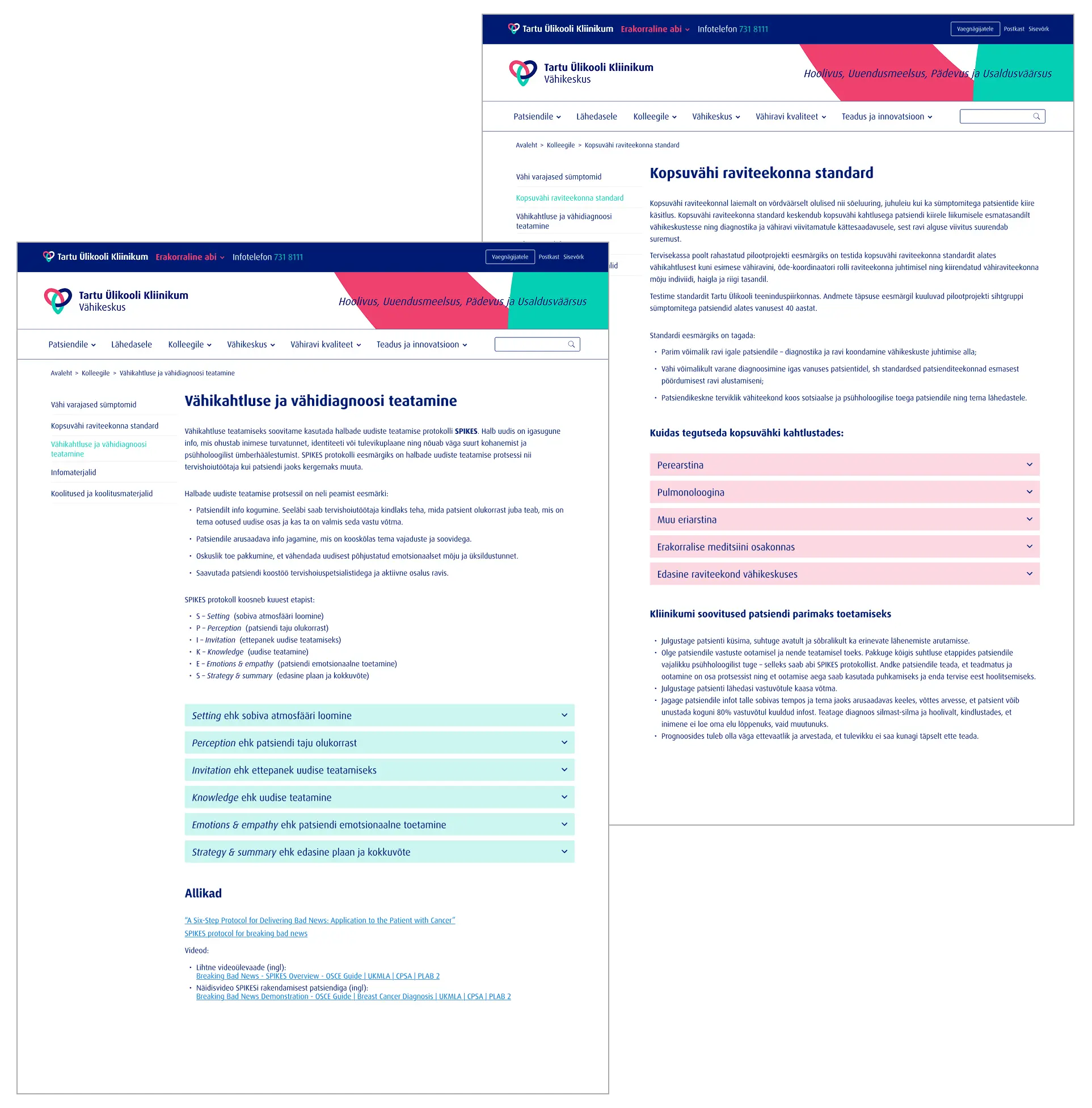
I designed the web page for the lung cancer care pathway standard for Tartu University Hospital, outlining each specialist's role step-by-step
Additionally, I translated and simplified the SPIKES protocol for delivering bad news, which aims to improve communication between healthcare workers and patients. The SPIKES protocol was also designed into a dedicated web page prototype.
When designing the prototypes, I built upon the Hospital's established design language, adjusting the UI solely to enhance accessibility.
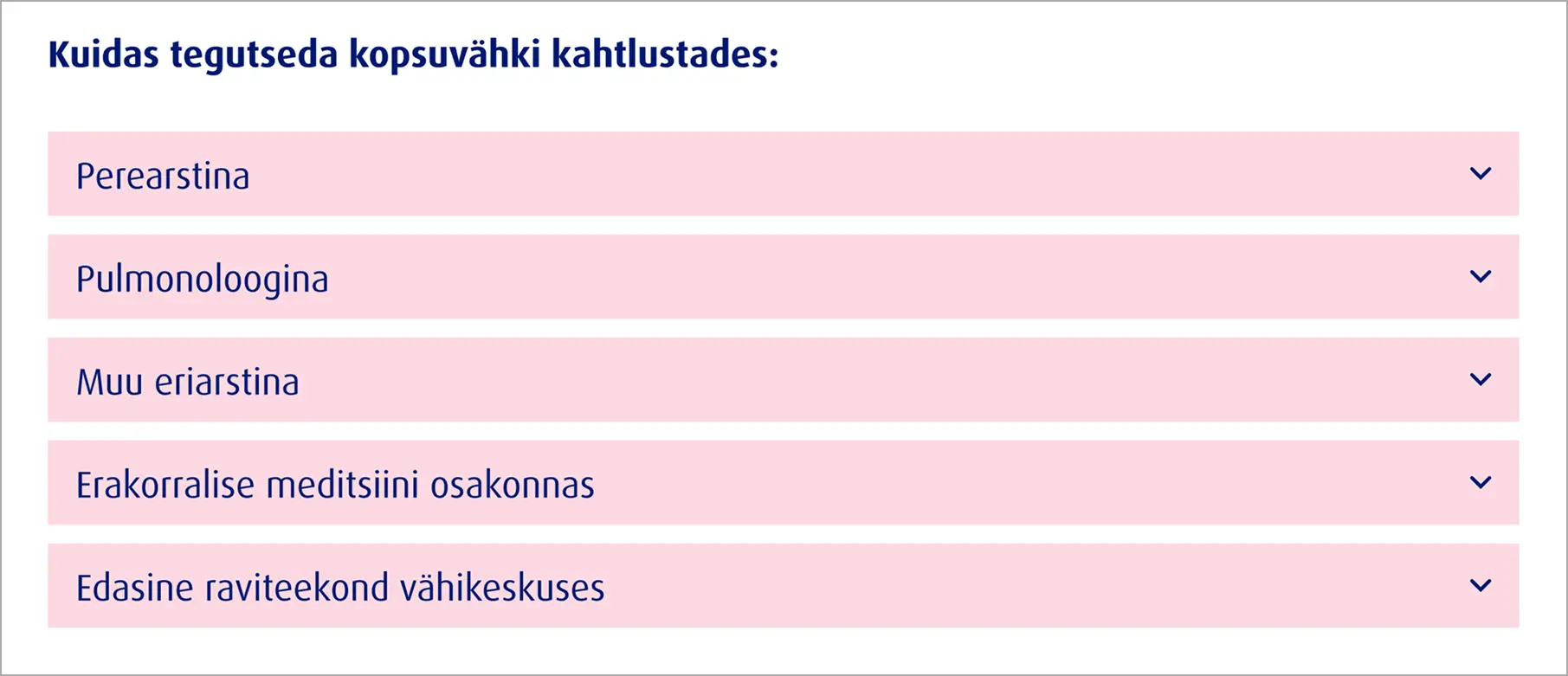
The web page for the lung cancer care pathway standard is organised into expandable sections by user groups. The content is formatted as an accordion so each professional can quickly find information relevant to their role. At the same time, keeping all content on a single page allows specialists to read about their colleagues' roles and helps them explain the next steps of the care pathway to patients.
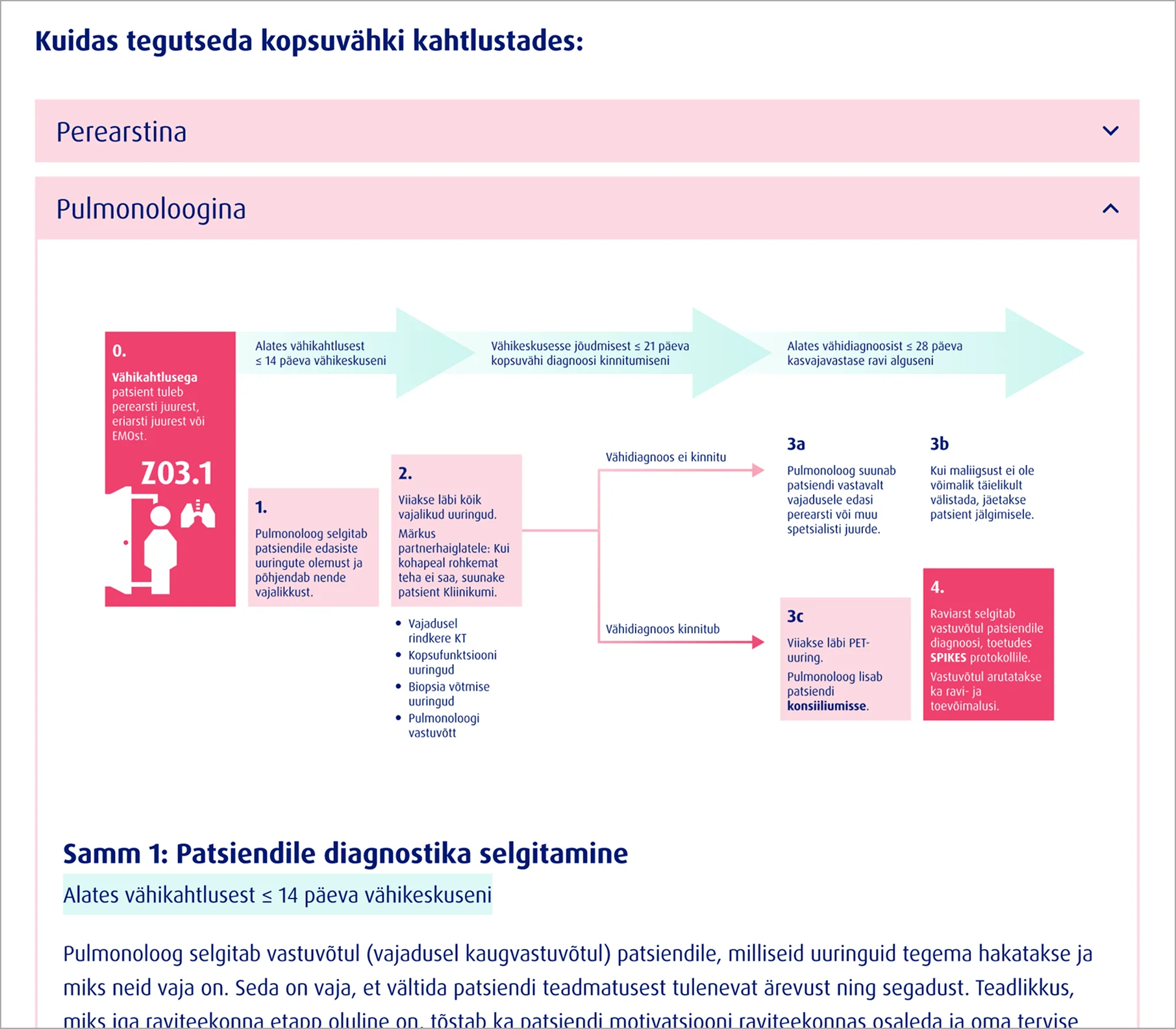
Within each role section, I summarised the information into diagrams to make the overall process easier to digest for all parties. While those adopting the care pathway standard this year are experienced professionals, this standard is brand new and requires getting used to. My goal was to make reviewing and learning the standard as seamless as possible.
The diagrams highlight the care pathway timeframes set by the standard, which govern the flow of the entire process.
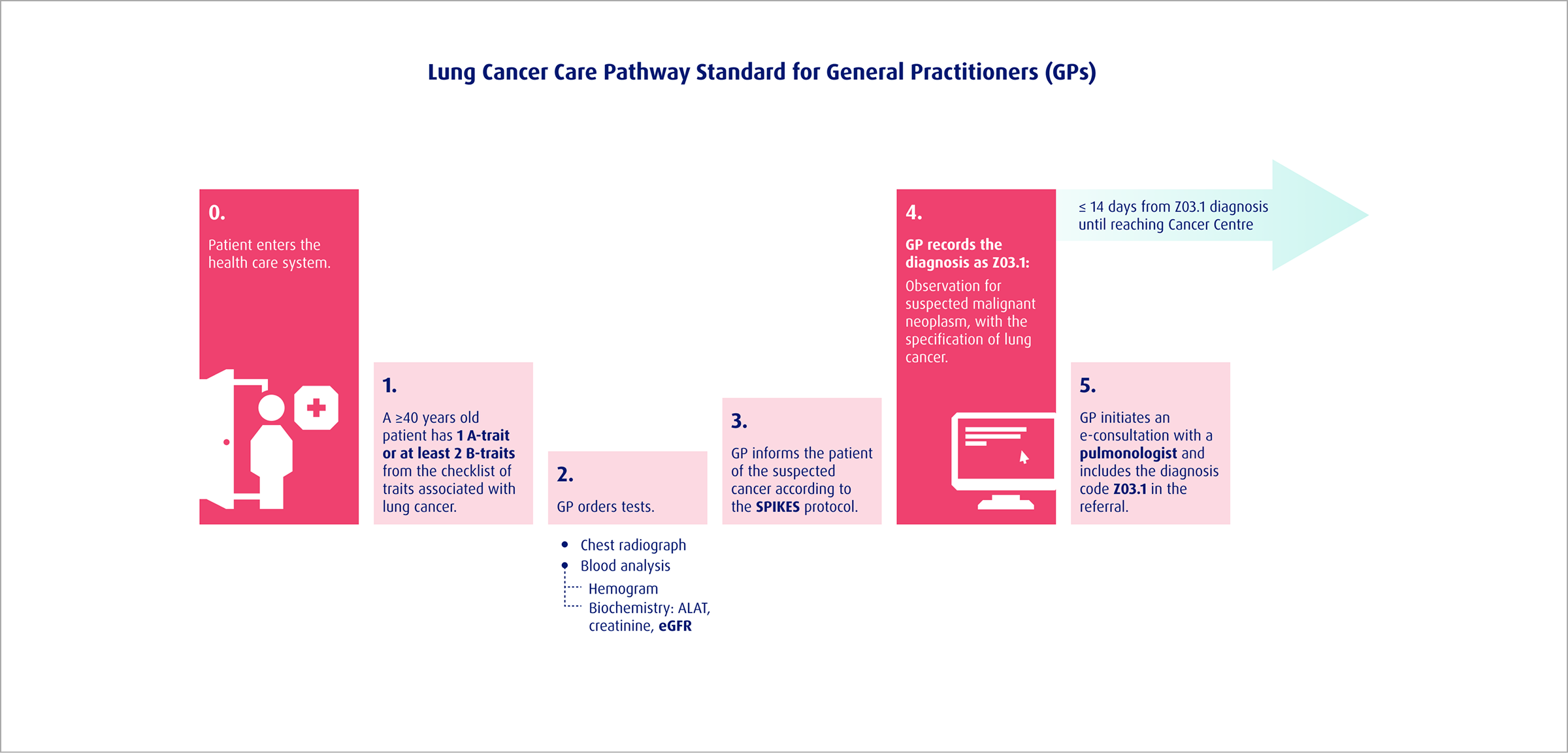
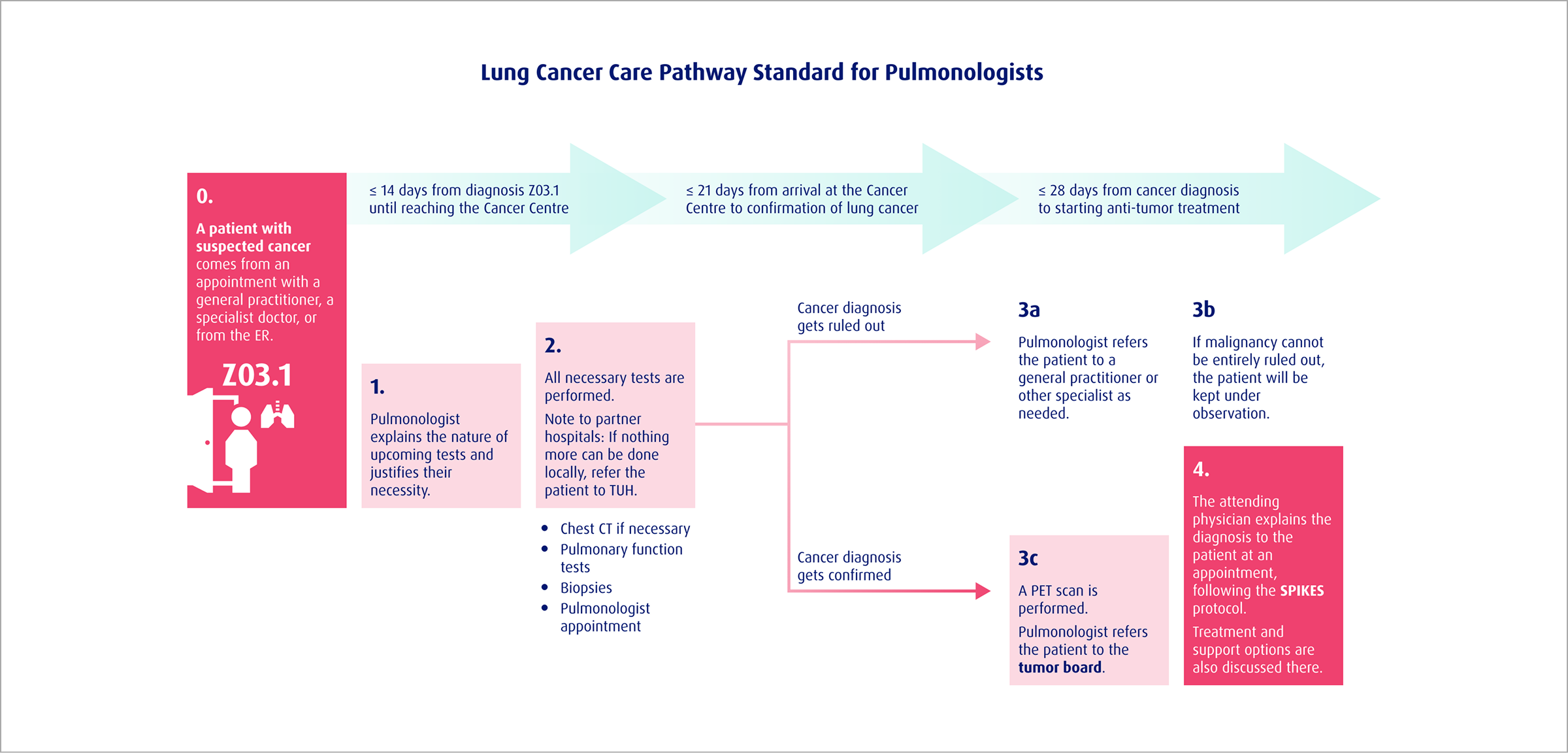
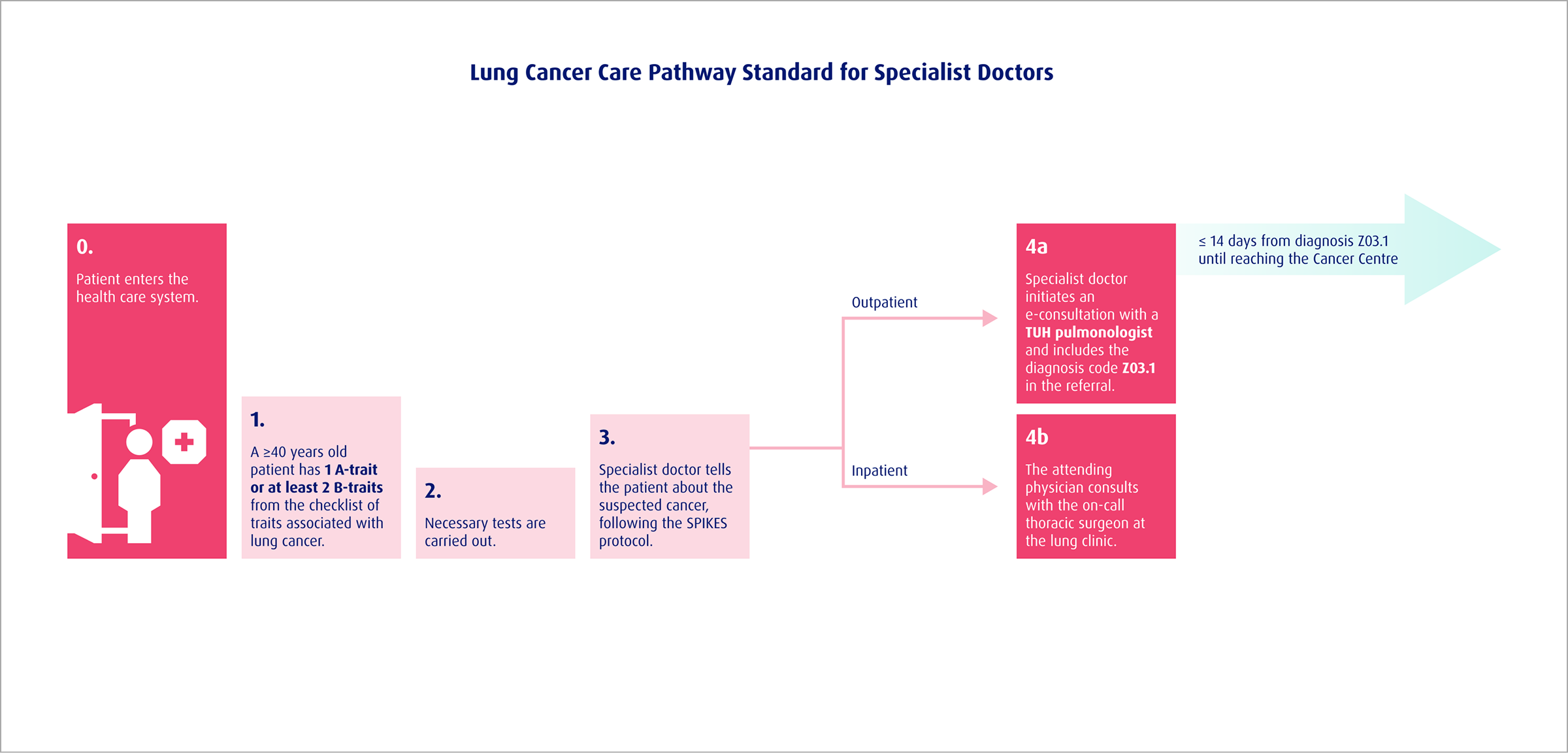
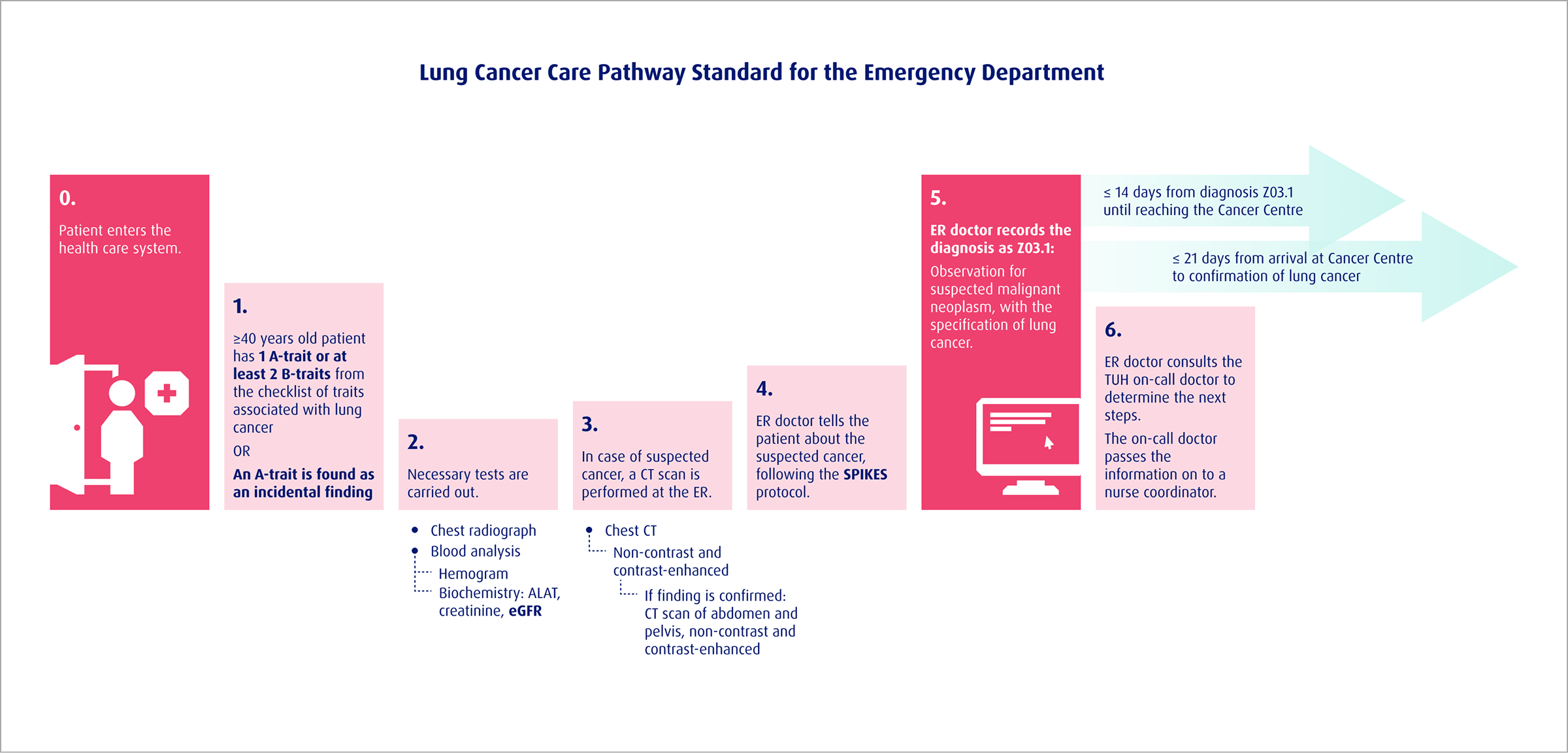
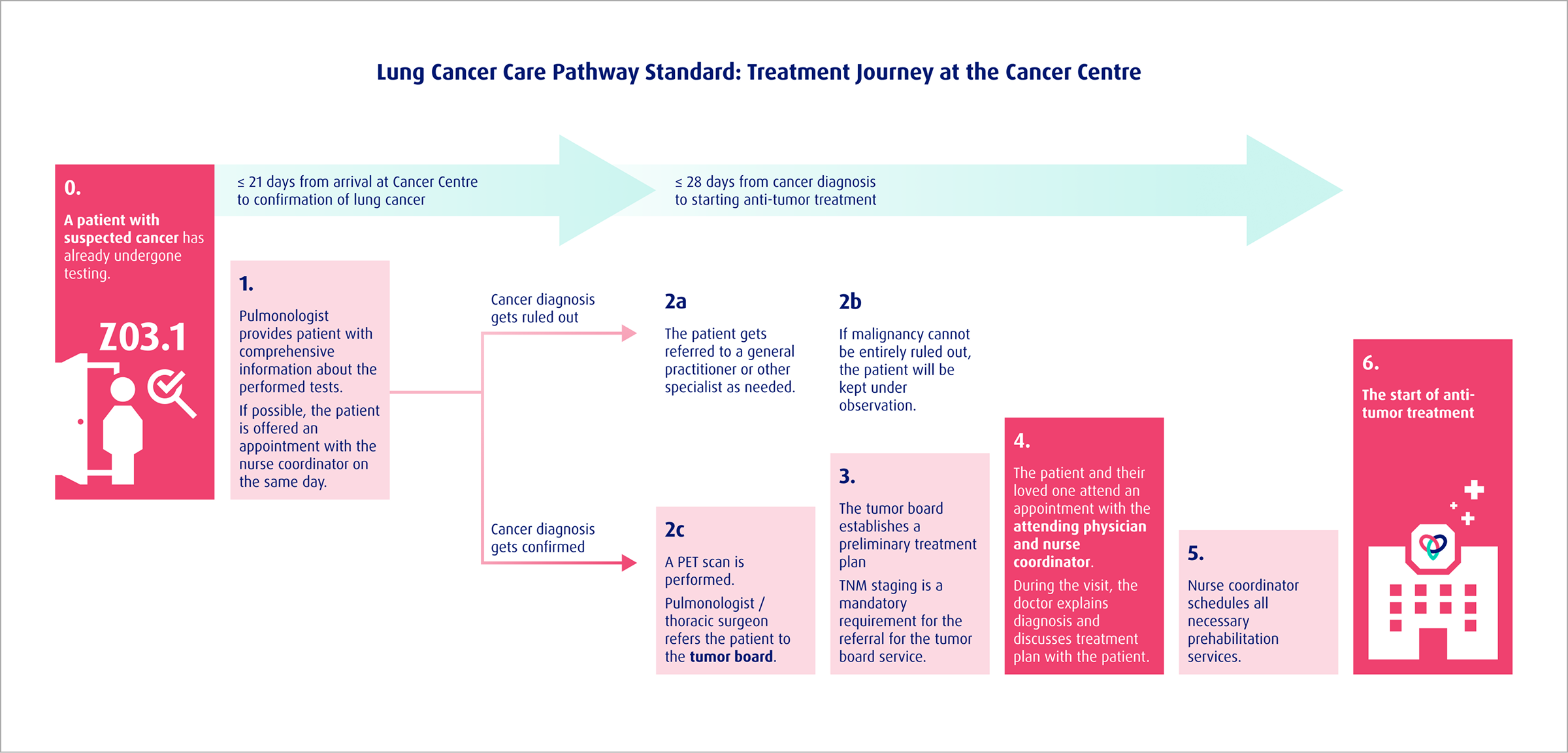
Previously, various diagnostic codes were used for cancer suspicion, and there was no agreed-upon index event to track and analyse the patient journey. Therefore, it was important to highlight the designated diagnostic code throughout the whole webpage.
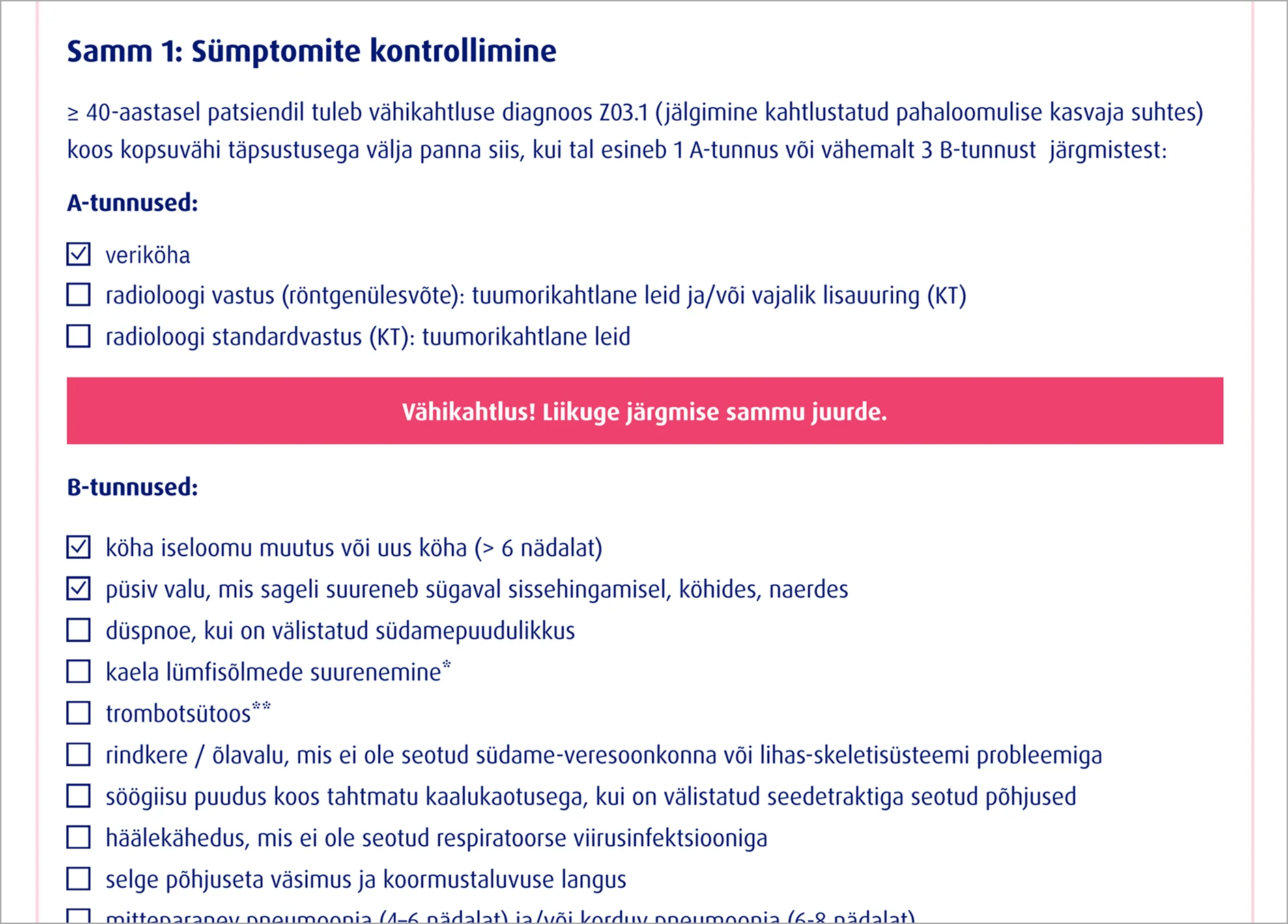
To clarify when a cancer suspicion diagnosis should be issued, I prototyped an interactive symptom checklist. The list allows users to check off patient symptoms and alerts the doctor when enough criteria are met to confirm a suspicion of cancer.
The checklist does not save data and functions interactively only on the standard's web page, as its purpose is to help doctors understand and follow the standard rather than serve as a diagnostic tool or a public "diagnosis calculator."