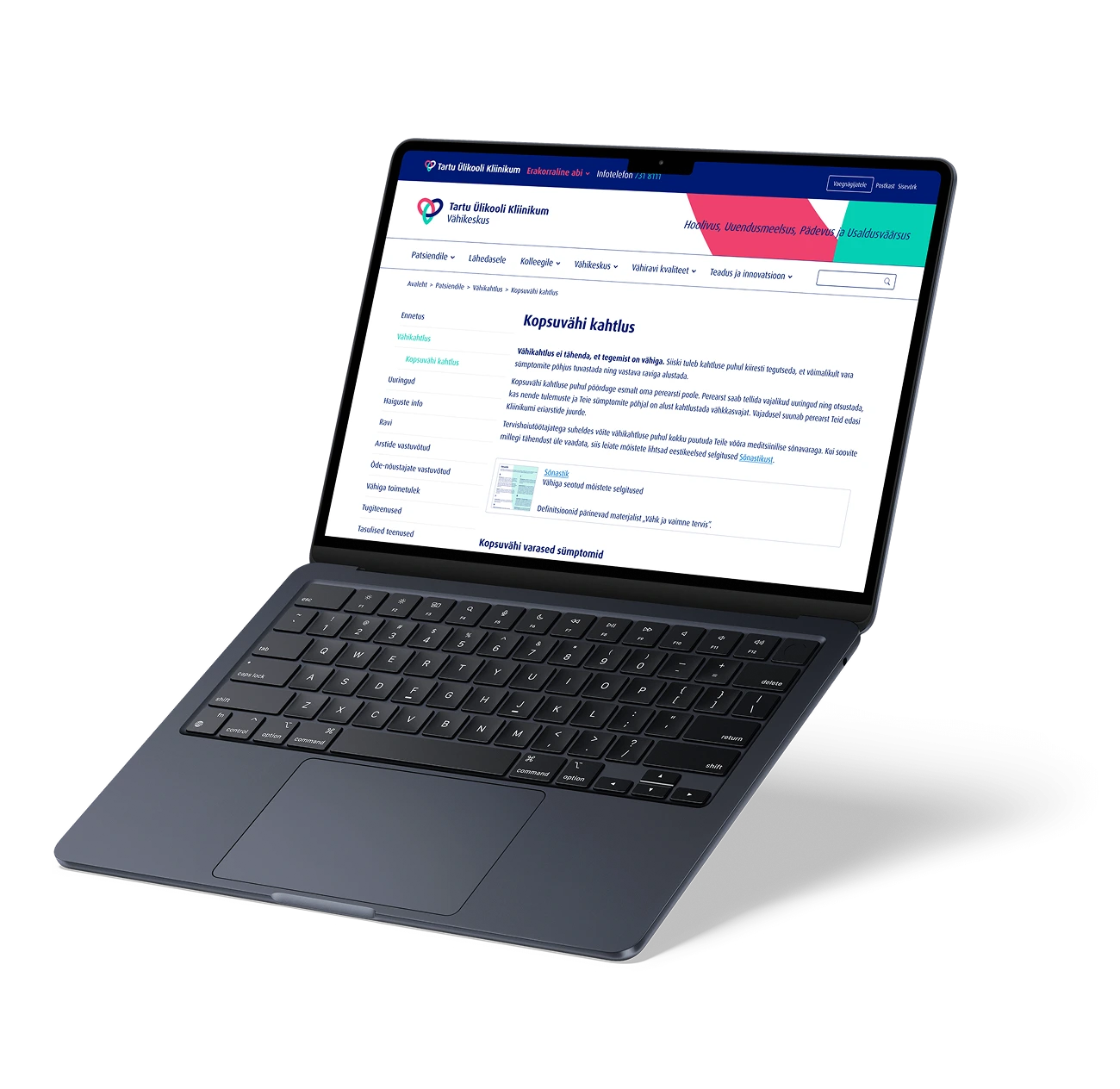
Updating Tartu University Hospital's Website for Patients
2025-2026 | ux/ui
As a digital product designer, I participated in the Tartu University Hospital lung cancer care pathway standard project, funded by Tervisekassa. The Hospital reached out to me about needing to update and redesign the content of their webpage for patients with suspected cancer. In addition to that, they asked me to design informational materials for patients diagnosed with suspected lung cancer. Throughout the project, I created prototypes of webpages that inform patients about general cancer suspicion and suspected lung cancer.
My Role
Research – background research, flash interviews, observation
UX and UI
UX Writing
Information Design
Stage
Problem
The project was preceded by Tehnopol’s lung cancer care pathway mapping project (2023–2024), during which they analysed lung cancer care pathways across three Estonian hospitals (ITK, PERH, and TÜK) and identified key areas for development. Among other findings, the waiting-time system in the lung cancer care pathway was found to be overly confusing: patients spent long periods in uncertainty, waiting for upcoming appointments without sufficient support from the system.
To build the solution, I relied heavily on the lung cancer patient journey map developed by the service design agency Brand Manual as part of their Lung Cancer Patient Journey Development Project. I also reviewed excerpts from patient interviews conducted by Brand Manual.
According to their research, there was no central information platform offering patients and their families clear guidance on diagnosis, treatment, and living with the illness. Furthermore, it was highlighted that every piece of information should be accompanied by a clear explanation of the next steps. Patients also need guidance on what they could proactively do while waiting, such as how to care for their general health.
More About the Process
Developing the Standard
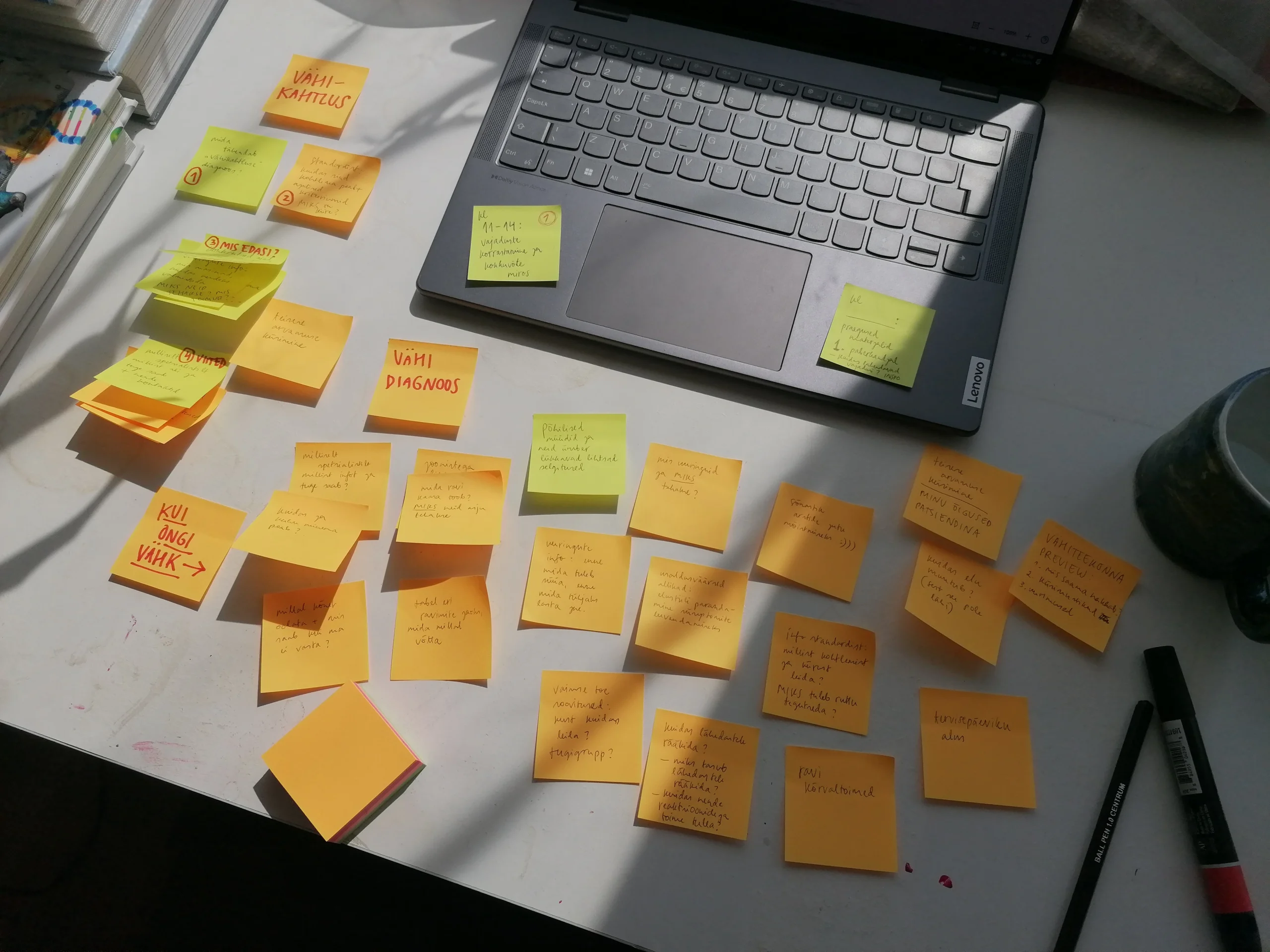
To gain a clearer understanding of the target audience's needs, I shadowed a nurse counsellor at the Hospital’s Hematology-Oncology Clinic. By observing how patients described their feelings and concerns, as well as what they remembered or forgot, I mapped out the following key needs:
- Clear information on which specialist provides what type of support + their correct contact details so patients know who to turn to and when.
- Instructions on where and how to go.
- Specific time windows when patients can expect a call from the doctor/hospital + clear info on what happens if they miss the call — preventing unnecessary anxiety while waiting over the weekend.
- Medical test information — clear guidelines on when patients can eat/drink, or if they need to use the restroom before a test. There should also be information about examination rooms and equipment.
- A section with recommendations on lifestyle improvements to manage symptoms, addressing the common issue of patients not knowing which online sources to trust.
- A clear overview of the treatment stages so patients know what to expect and when.
- A glossary or reference for medical terms used by doctors, as healthcare professionals often rely on specific medical vocabulary that is overly complex for patients.
- Mental health support — advice on where and how to find it.
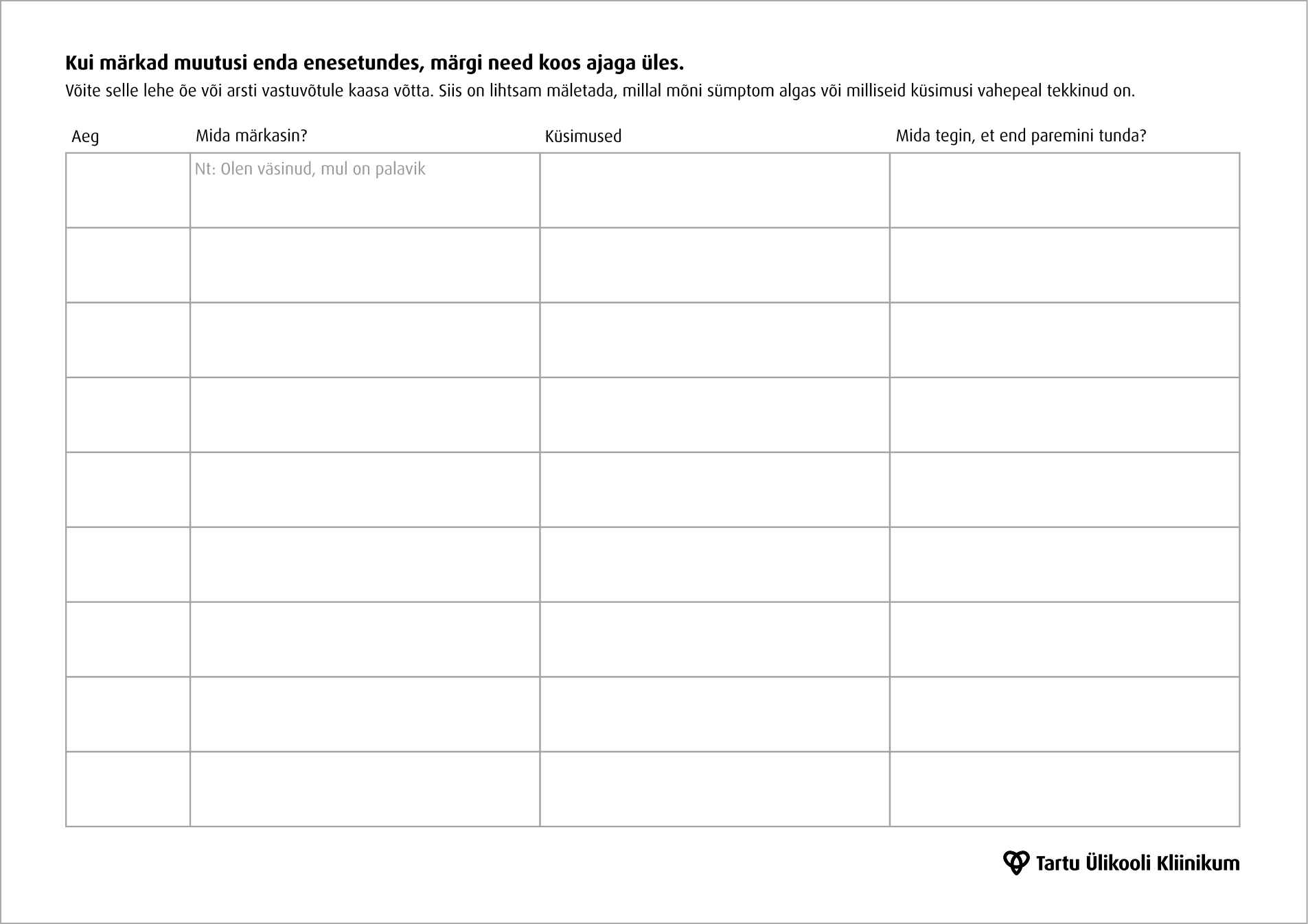
- A template to log recurring symptoms and issues by date. While observing appointments, I noticed that patients going through cancer treatment often forgot events as significant as calling an ambulance between visits, simply because so much was happening with their health continuously.
Additionally, the Hospital asked me to inform patients about the lung cancer care pathway standard itself, helping them understand how quickly they should actually get treated. This empowers patients to advocate for themselves if adequate support is lacking.
Format and Content of the Informational Material
Based on prior research, my observations, and the fact that most lung cancer patients are senior citizens, I initially proposed creating a printed informational booklet. However, due to project time constraints, the team decided to move forward with web-based materials instead.
While planning the content, I met with the nurse counsellor, hospital physical therapists, and a smoking cessation counsellor, who helped define the content points related to prehabilitation. During these meetings, they shared existing printed materials with me. Analysing these gave me ideas on what to include or exclude. Throughout the process, coming in as a total newcomer to the medical field proved to be an advantage — it allowed me to review materials from a patient's perspective and easily spot overly complex phrasing or unclear procedures.
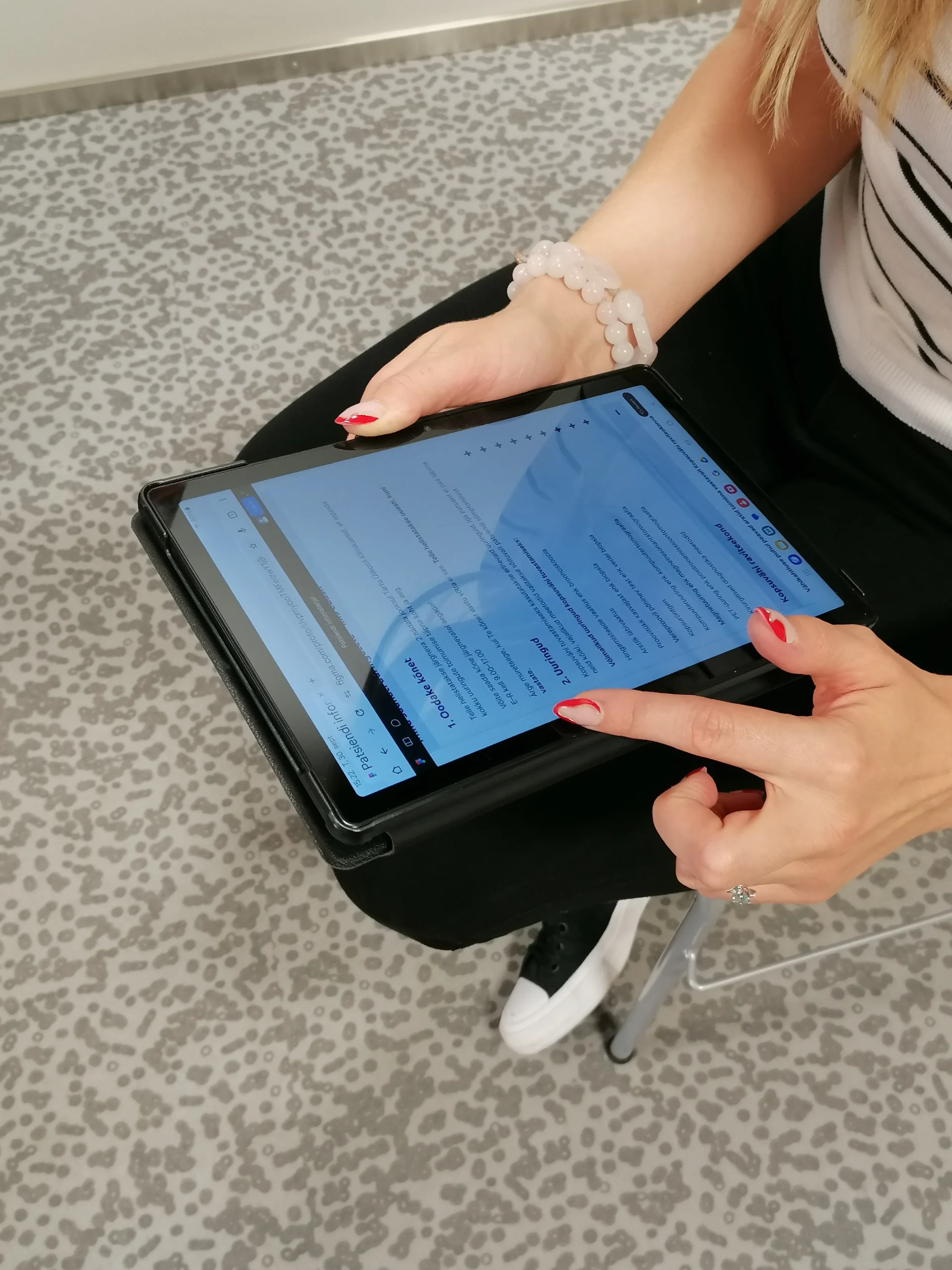
I tested the suspected lung cancer webpage prototype with patients in the Hospital’s inpatient department. Patients confirmed the need for such materials and liked the printable symptoms table (shown below in the Solution section). User testing revealed that patients could be encouraged more to seek advice from their primary care physician (GP), as there were scenarios where patients did not realise that reaching out to their GP was an option.
Solution
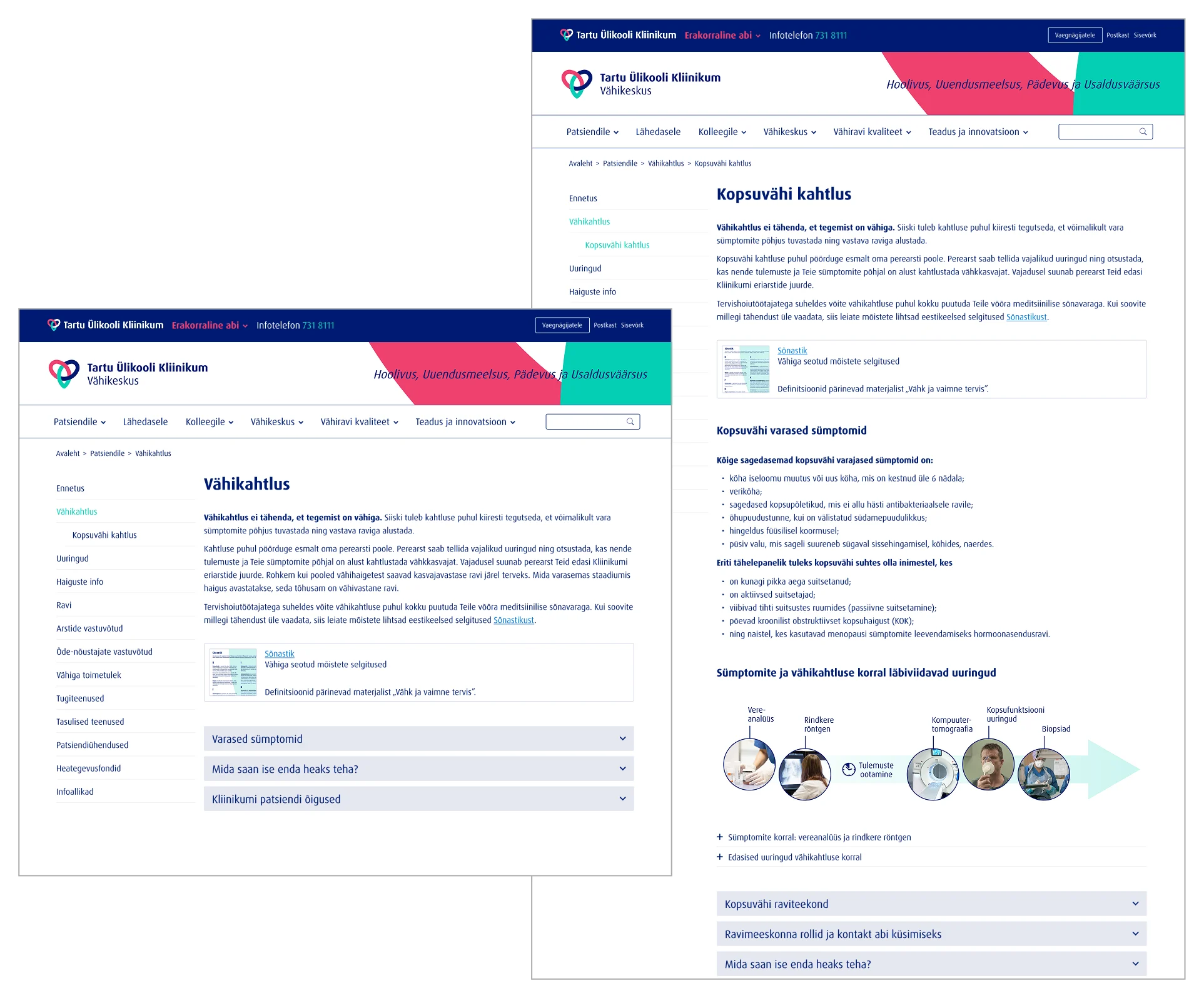
During the project, I created prototypes for both the general cancer suspicion webpage and the suspected lung cancer webpage. The content of both prototypes overlaps intentionally to ensure patients landing solely on the lung cancer page still receive all necessary baseline information.
When designing the prototypes, I built upon the Hospital's established design language, adjusting the UI solely to enhance accessibility.
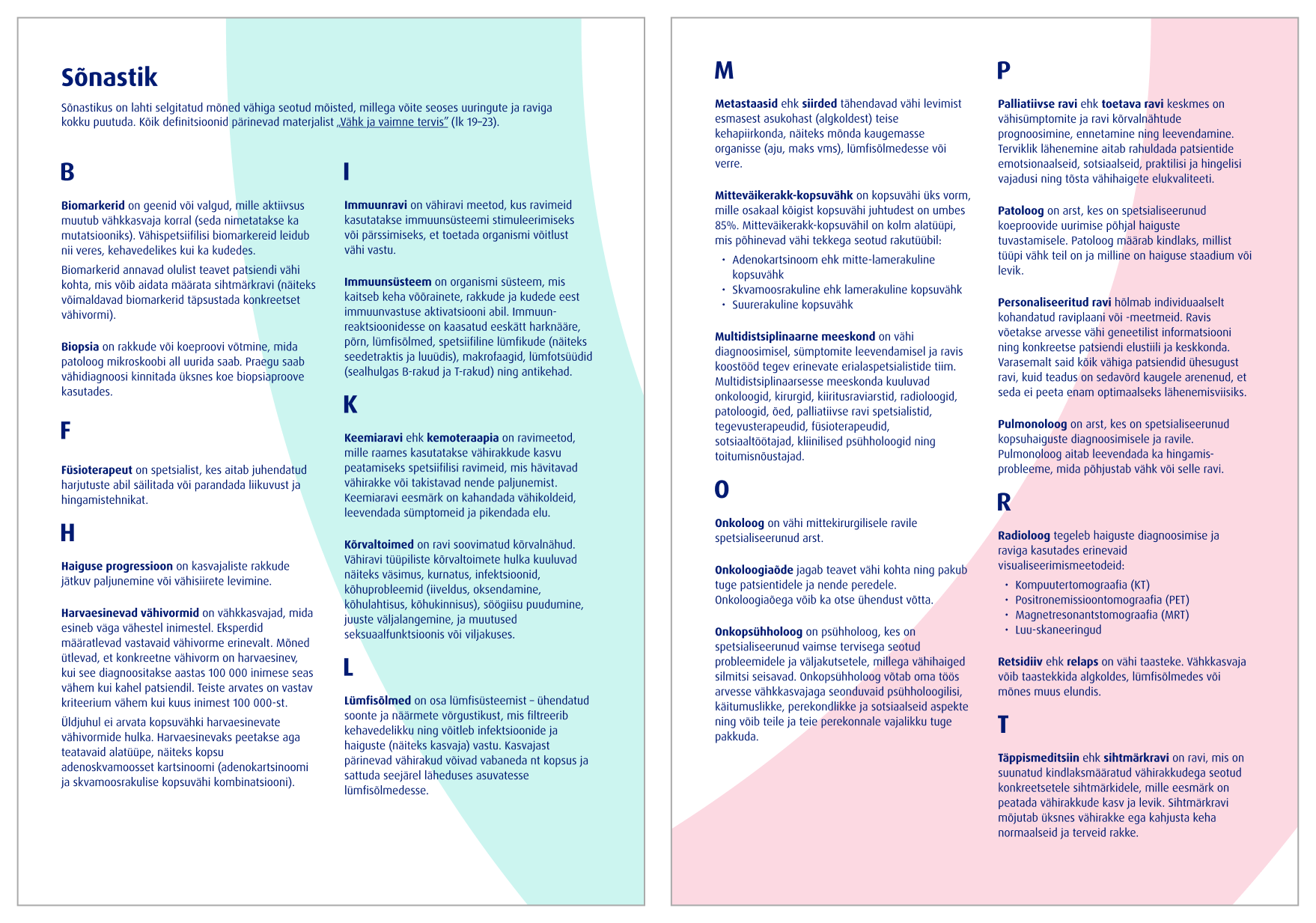
I designed a dictionary of terms on the suspected lung cancer page to familiarise patients with terminology they might encounter along their care journey.
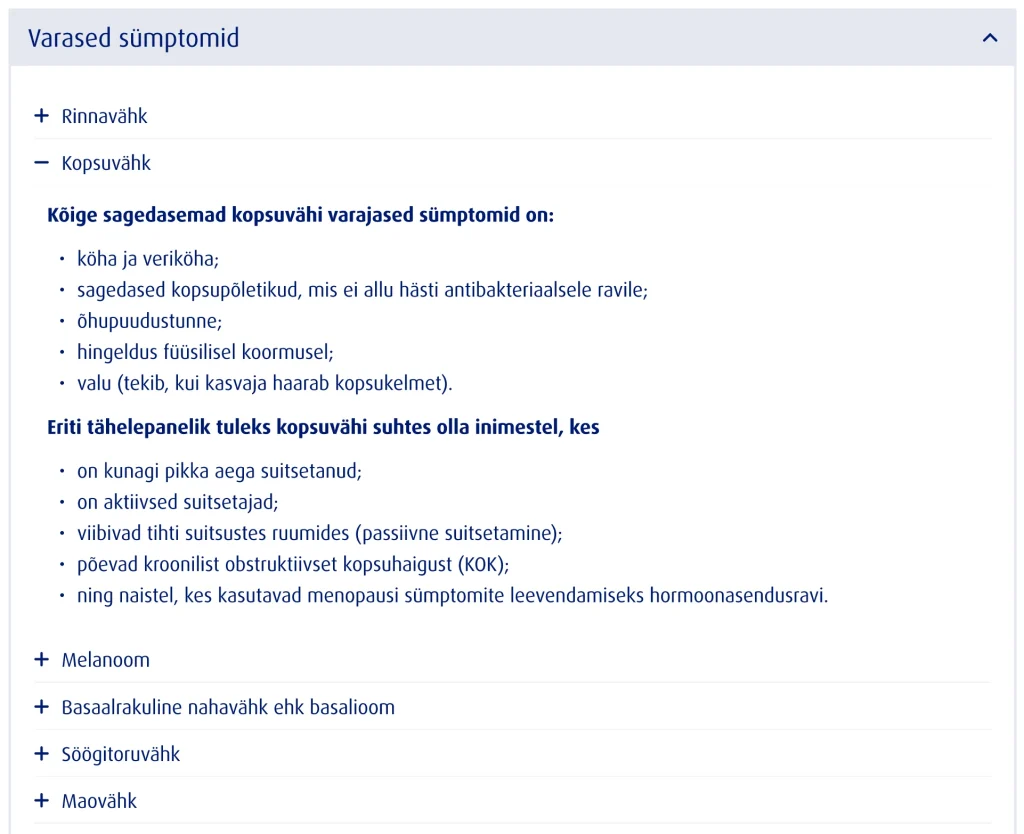
Both cancer suspicion webpages list early symptoms at the top of the page — the lung cancer page specifically lists early lung cancer symptoms.
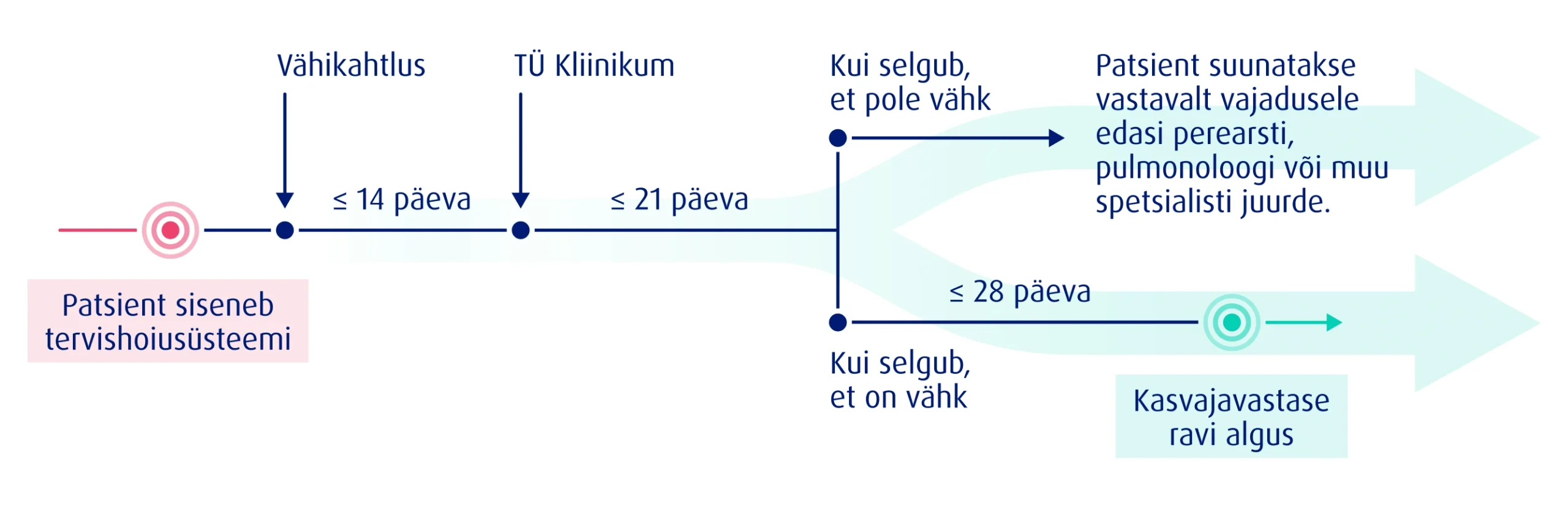
Given the significant confusion and anxiety surrounding the care pathway, I visualised the standardised lung cancer care pathway as a simple diagram, under which patients can read more detailed information if desired.
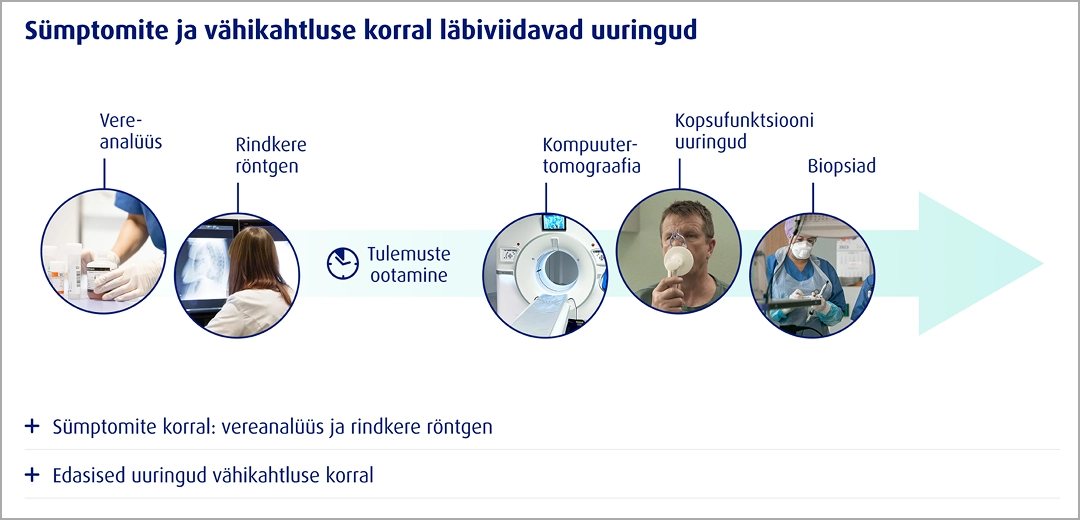
Care Pathway Diagram for Patients:
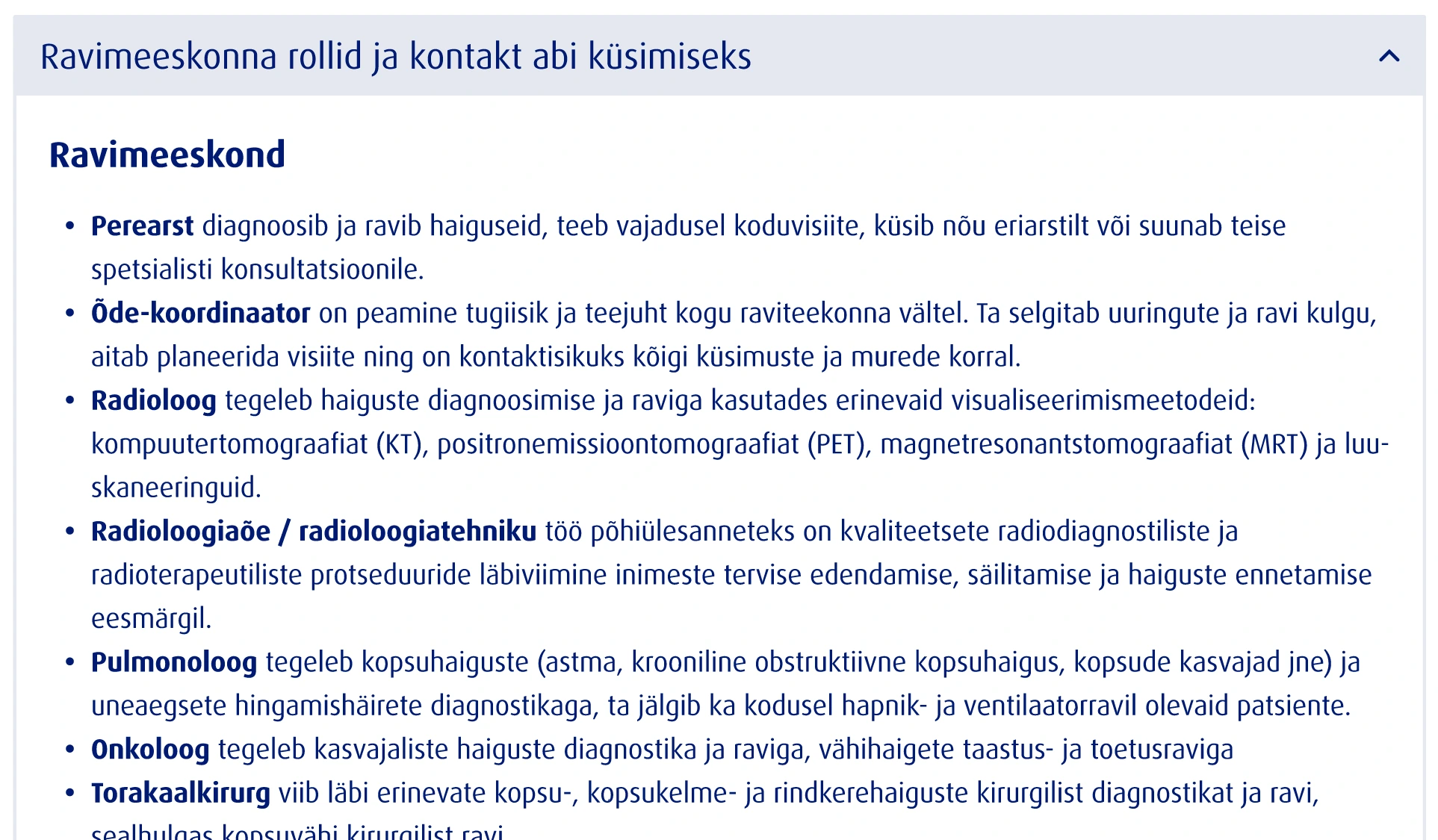
The prototype explains in plain language what each member of the care team does, helping patients know what to expect when meeting them. Since observations and testing showed that patients were often unsure who to contact regarding specific concerns, I added the relevant contact information and details to the care team section.
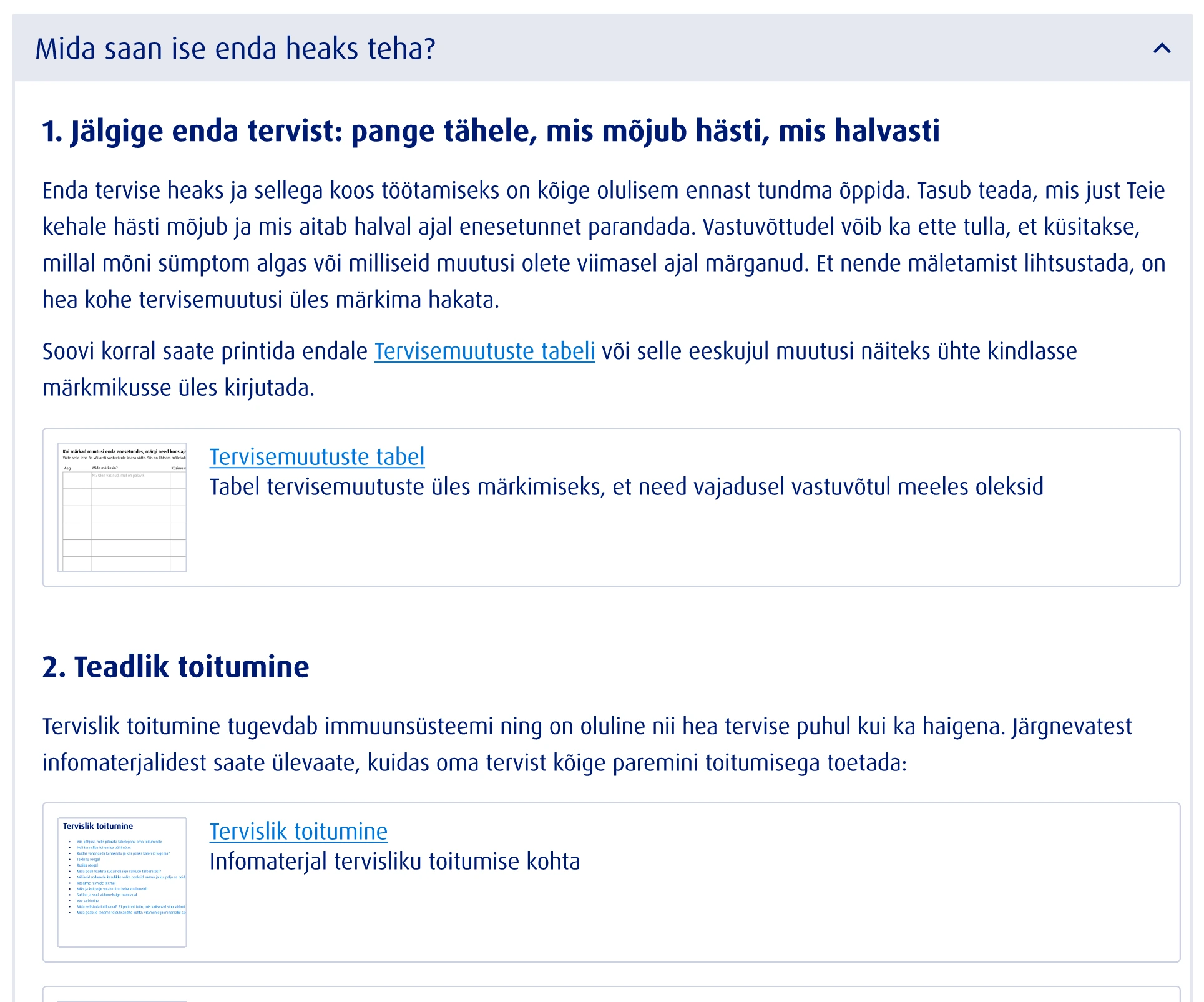
Because the waiting period between tests and appointments can be emotionally exhausting, offering advice on self-care in the interim is essential. Patients with suspected cancer often fear eating the "wrong" things or worry that physical activity might harm them, so I included curated, situational resources on nutrition and physical activity.
To improve accessibility, I introduced larger, more prominent link buttons with thumbnails to replace traditional hyperlinks, making recommended resources easier to spot and open.
Printable Symptoms Table
While shadowing the nurse counsellor, I noticed that cancer patients have so much to manage that fluctuating symptoms are often forgotten by their next visit, and they rarely remember to write them down.
I created a symptom tracking table for the nurse counsellor to hand out to patients. This printable resource was also integrated into the webpage so patients can easily print it out at home.